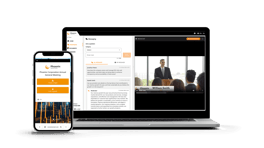

Annual General Meetings (AGMs) are a legal requirement for companies in many jurisdictions, and for many associations and membership organizations under their constitutions. This guide covers what the law typically requires, how to prepare for your AGM step by step, and the best practices that make a meeting fair, transparent and productive.
Requirements vary by country and by organization, so always check your local company law and your articles of association or constitution before you plan. The principles below apply in most jurisdictions.
What is the purpose of an AGM?
An AGM gives a company or organization a formal opportunity to present its annual report to its shareholders or members. The board reports on financial performance, strategy and governance. Shareholders can ask questions, hold directors to account, and vote on key decisions such as director appointments, auditor approval and changes to the articles.
For a deeper look at why this matters, read why AGMs are vital for corporate governance.
The legal requirements for holding an AGM
1. Timely conduct. AGMs must be held within the period set by law, usually a set number of months after the end of the financial year. Missing the deadline can lead to fines or penalties.
2. Notice to shareholders. Shareholders must receive sufficient notice of the date, time and location of the AGM, including how to attend online if the meeting is hybrid or virtual. The notice period is usually set by law and is often at least 21 days.
3. Disclosure of information. Shareholders must receive enough information about the business of the meeting, including financial results, strategy and governance matters, to make informed decisions. Insufficient disclosure can put the validity of the meeting at risk.
4. Quorum. A minimum number of shareholders or members must be present, in person or by proxy, for the meeting to proceed. The quorum is usually set out in your articles or constitution.
5. Shareholder participation. Shareholders must be able to ask questions of the board and vote on resolutions, such as director appointments, auditor approval and changes to the articles of association.
6. Record-keeping. Accurate records of the proceedings must be kept, including minutes, voting results and any supporting documents.
7. Meeting format. Whether you can hold your AGM in-room, hybrid or fully virtual depends on local law and your articles. Some allow all three; others need amending before a virtual meeting is possible. Learn more about what a virtual AGM is and how it works.
How to prepare for your AGM: a step-by-step checklist
- Set the date. Confirm the deadline for your AGM and work backwards to build your timeline.
- Choose your format. Decide between in-room, hybrid or virtual, and confirm your articles allow it.
- Prepare the business of the meeting. Finalize the annual report, financial statements and the resolutions to be put to shareholders.
- Send the notice of meeting. Issue it within the required notice period, with the agenda, materials and clear instructions on how to attend, ask questions and vote.
- Open registration and proxy voting. Let shareholders register in advance, appoint proxies and submit questions before the day.
- Brief the chair. Walk the chair through the agenda, likely questions and how Q&A will run. See our tips for preparing a chairperson for an AGM.
- Rehearse and test. Run through the meeting end to end, including the voting and Q&A technology if you're hybrid or virtual.
- Run the meeting. Confirm quorum, work through the agenda, take questions and hold the votes.
- Follow up. Publish the voting results promptly, finalize the minutes, and respond to any questions that couldn't be answered on the day.
Preparing as a shareholder
If you're attending as a shareholder, review the agenda and the annual report in advance so you're ready with questions. Register ahead of time and confirm how to join, whether in person or online. If you can't attend, you can appoint a proxy to vote on your behalf.
Best practices for a fair and transparent AGM
Meeting the legal minimum is the starting point. The best AGMs go further:
- Make participation clear from the start. Shareholders should know before the meeting exactly how to attend, ask questions and vote, whether they join in person or online.
- Give every attendee the same rights. Online attendees at a hybrid meeting should be able to ask questions and vote just like those in the room.
- Run Q&A fairly. Use question moderation so similar questions are grouped and the chair can respond in a balanced way. Publish answers afterwards to any questions not covered on the day.
- Use secure, auditable voting. Authenticate every attendee and record every vote, so results can be verified.
- Publish results promptly. Share voting outcomes soon after the meeting to show accountability.
- Treat the AGM as part of year-round engagement. The AGM is one point in an ongoing relationship with shareholders, not a once-a-year exercise.
Tools to help you plan
- AGM Survival Kit: an AGM eBook guide, planning checklist, moderator playbook and checklist, and a sample notice of meeting.
- AGM Readiness Assessment: benchmark your preparation and get a personalized readiness score.
Frequently asked questions
Does every company have to hold an AGM?
Not always. In many jurisdictions public companies must hold one every year, while private companies may be exempt unless their articles require it. Check your local company law and your articles.
How much notice must be given for an AGM?
It depends on your jurisdiction and articles, but notice periods of at least 21 days are common.
Can an AGM be held online?
Yes, where local law and your articles allow it. Many organizations now hold hybrid or fully virtual AGMs.
What happens if an AGM isn't held on time?
Missing the legal deadline can result in fines or penalties for the company and its officers, depending on the jurisdiction.
What records must be kept after an AGM?
Minutes of the proceedings, the voting results, and any supporting documents presented at the meeting.
Need help running your next AGM?
Lumi Global has helped organizations plan and deliver compliant, engaging AGMs for over 30 years, in-room, hybrid and virtual. Talk to our team about your next meeting.