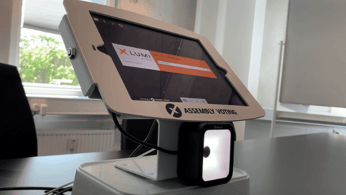
Case Study | Confidustria Ascoli Peceno modernizes association elections
The Lumi Platform is designed for AGMs, Investor Relations meetings and all other types of shareholder meetings, virtual, in-room or hybrid.
Our Election tools include Electa and Eligo, designed for both scheduled and live voting to make your elections secure, fair, and with full end-to-end verifiability.
A series of professional event venues located in Canada, supporting live broadcast rooms, AV equipment rental and integrated catering options.
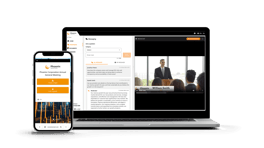
Running elections has never been easier with the latest voting tools from Lumi Global
We work with a variety of businesses
See what makes the Lumi Platform the most feature-rich meeting platform
Lumi Global has acquired EligoVoting, Italy’s leading electronic and online voting platform.
The way companies conduct their Annual General Meetings (AGMs) is evolving, with digital and hybrid formats now accounting for 75% of meetings held globally, according to Lumi Global research.
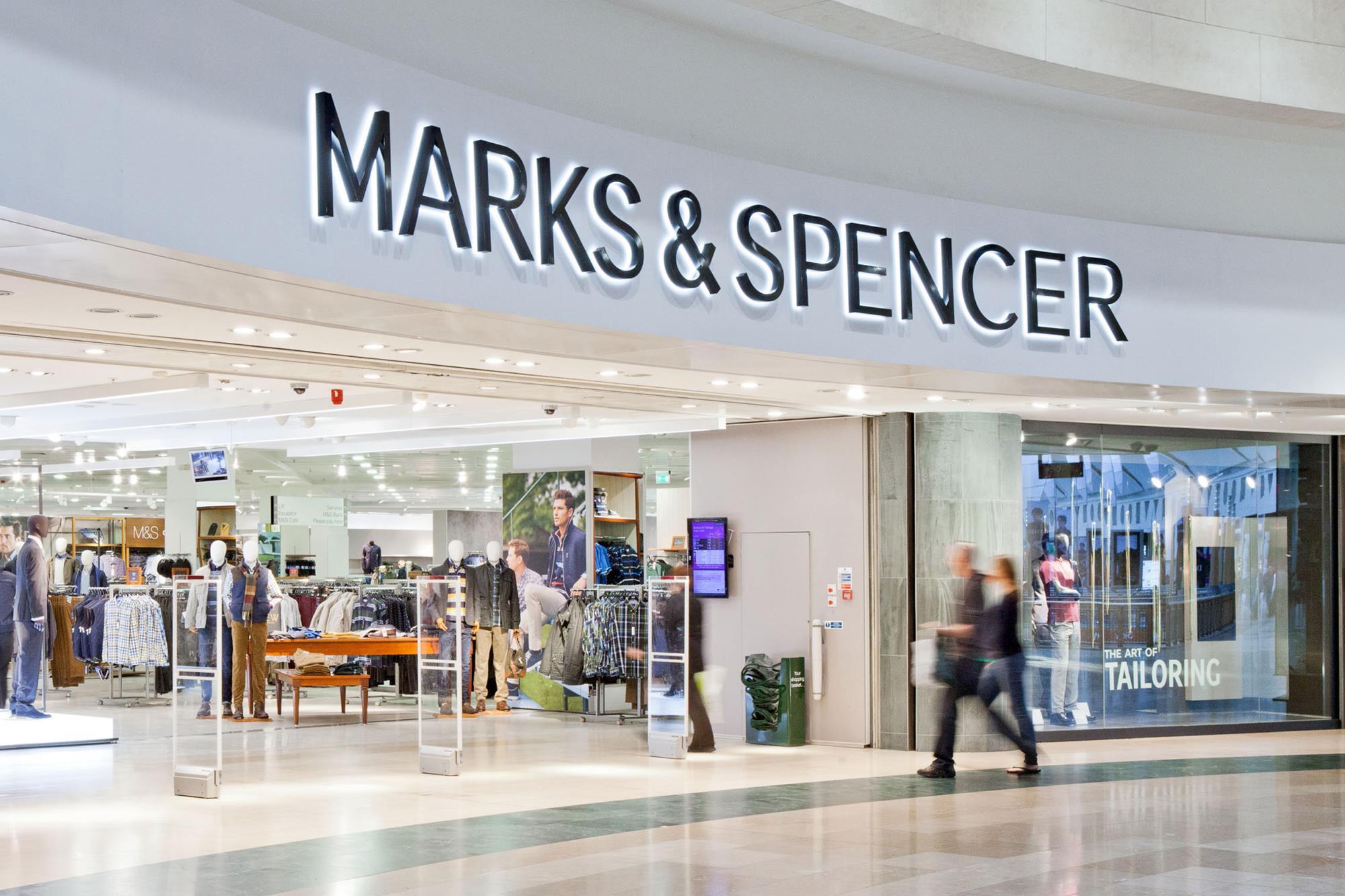
Marks & Spencer (M&S) has led the way in digital transformation, setting a new standard for digitally-enabled AGMs. Company Secretary Rob Lyons shared insights into this transition during a session at the Australian Investor Relations Association (AIRA) in March, explaining how a digital approach can enhance accessibility, engagement, and even governance, while also providing shareholders more flexibility in how they can participate. .
Below, we explore the step-by-step approach M&S took to implement a transparent and efficient digitally-enabled AGM.
The first step in preparing for a hybrid AGM was ensuring its legal validity. M&S carefully reviewed its articles of association to confirm that digital or hybrid meetings were allowed. A valid AGM requires a quorum, which is a minimum number of shareholders present, and M&S met this requirement thanks to shares held by board members and executives.
Additionally, M&S ensured that both institutional and retail shareholders could cast their votes digitally, removing concerns over legitimacy. With the legal framework in place, the company confidently proceeded with its hybrid AGM format.
Having legal approval wasn’t enough. M&S needed buy-in from the chairman, board, and governance team. To gain their support, M&S demonstrated that a hybrid AGM could enhance transparency, increase shareholder engagement, and be efficiently executed.
By emphasizing wider shareholder participation, improving accessibility, and providing streamlined governance, M&S reassured leadership that transitioning to a digitally enabled AGM was the right move.
“There is nothing duller than filming a static set of people sat on a bench. It’s not very engaging... the Q&A section feels more alive!”
– Robert Lyons
A key concern when moving to digital formats is the perception that companies might be hiding from shareholder scrutiny. To address this, M&S took several steps to build trust and encourage participation, including:
By prioritizing shareholder interaction, M&S reinforced its commitment to transparency and fostered an open dialogue with its investors.
“We have a metric [where we look at] how many people have never attended any AGM before. Those people, to me, are how shareholder democracy grows.”
– Robert Lyons
Tracking engagement metrics was crucial for assessing the success of the hybrid AGM. M&S compared participation rates, the number of questions asked, and voting activity between in-person and digital attendees to gauge effectiveness.
One of the key insights was the number of shareholders attending the AGM for the first time. This highlighted how digital accessibility could attract new voices and broaden shareholder democracy, further validating the decision to go hybrid.
Digital AGMs often attract a higher volume of questions, so structuring the Q&A process is essential. M&S implemented several measures to handle this effectively:
This approach ensured that shareholders felt heard and the meeting remained productive, fostering trust and transparency.
A smooth hybrid AGM requires top-notch technology to ensure that remote participants have an experience on par with those attending in person. M&S focused on the following key elements:
These investments ensured that all attendees, whether in person or online, had a seamless and professional experience.
M&S’s experience demonstrates that concerns around compliance and execution need not deter UK companies from adopting digital AGMs. With careful planning, companies can host valid, engaging, and transparent AGMs that encourage greater shareholder participation.
Speak to our experts to find out how you can transform your own digital AGMs with Lumi Global.
 About
About
M&S is a British retailer bringing food, clothing and homeware to customers around the world.
IndustryRetail
CompanyMarks and Spencer
ProjectDigital AGM
Join the world’s leading organizations that trust Lumi Global with their critical meetings.